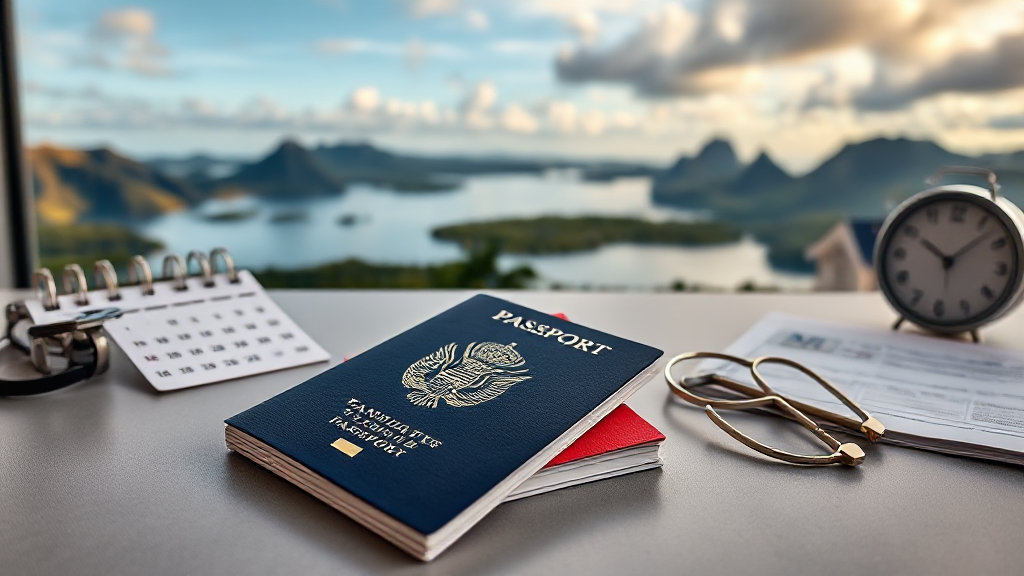
Vanuatu Passport Versus Residency: What I Learned Building a Second Travel Document
By the end of this account you will know exactly what a working second travel document looks like in your hand: a passport that arrives without you ever relocating, that your children can hold alongside you, and that quietly changes how you cross borders, open accounts, and structure a business. I am writing this as a practitioner, not a brochure. I went through the process myself, made the calls, filled the forms, and watched the courier envelope arrive. Here is the order in which it actually happened.
Before I started, I spent two weeks reading everything I could find on https://vanuatupassportbenefits.com/, because I wanted the limits spelled out as clearly as the advantages. That distinction mattered more than anything else in the whole exercise.
Why I Started Comparing a Passport to a Residency
My first instinct was the obvious one: move somewhere, rent an apartment, wait out a residency clock, then apply for naturalisation years later. I mapped it out. Two years minimum in most jurisdictions, five in others, plus language tests, physical presence rules, and tax exposure the moment I became a resident. For a family with school-age children and a business that runs on calls across three time zones, that plan collapsed under its own weight.
The alternative I kept circling back to was citizenship by investment. The pitch is simple: you contribute to a national development fund or make an approved investment, you pass due diligence, and you receive citizenship. No residency requirement. No relocation. The passport is issued to you as a citizen, not as a resident guest. That is a fundamentally different legal object, and it behaves differently at a border desk.
Vanuatu sits in the Pacific and runs one of the longest-established programs of this type. What drew me in was not the palm trees. It was the combination of speed, the absence of a physical presence condition, and the fact that dependants can be included in the same application.
The First Real Action: Reading the Rules Before Talking to Anyone
My routine was unglamorous. I made a folder. In it went the official program documents, a due-diligence checklist, and my own notes on what each requirement actually demanded of me in hours and documents.
The things I verified before spending a cent:
Speed of issue. The timeline from submission to passport in hand is measured in weeks, not years, provided the file is clean. Most delays I later heard about traced back to incomplete paperwork, not to the program itself.
No residence requirement. I never had to set foot in the country to qualify. That single fact removed the largest logistical obstacle for my family.
Lawful acquisition. Everything runs through a government-approved agent and a formal application. There is no shortcut, no back channel, and anyone offering one is selling you a problem.
Validity and renewal. The passport has a defined validity period and a normal renewal path. I wrote the expiry date into my calendar the day I received it.
Children and family. Dependants can be included, which for me was the deciding factor. A second document that only covered me would have solved half a problem.
Assembling the File: The Part Nobody Enjoys
This is where the routine becomes real work. Certified copies of identity documents. Police clearances from every country I had lived in for more than a set period. Bank statements showing the source of funds. Medical certificates. Birth and marriage certificates, translated where necessary.
I treated it like a project with a critical path. Every document got a status: requested, received, certified, submitted. I kept scanned copies in a single encrypted folder and named every file consistently. When my agent asked for something, I could send it within the hour. That single habit, I am convinced, is why my file moved as fast as it did.
The due-diligence stage is not a formality. It is a genuine background check, and it is the reason the passport carries weight. I answered every question plainly and disclosed everything, including a dormant company I had almost forgotten. Clean disclosure is faster than clever omission.
What Changed Once the Passport Arrived
The envelope came by courier. Inside was a small book with my photograph, my name, and a nationality that was now legally mine in addition to the one I was born with.
The practical effects showed up quickly and quietly.
Travel. I gained visa-free or visa-on-arrival access to a substantial list of countries. Not every country on earth, and I want to be honest about that, because the marketing around second passports often overstates it. But the difference at check-in counters was immediate and measurable.
Banking and business. When I opened a new corporate account, the compliance conversation was shorter. A second jurisdiction of citizenship gave the bank a clearer picture of who I was and where I could be reached. It did not make problems disappear, but it made explanations easier.
Optionality. This is the benefit that is hardest to quantify and the one I value most. My family now has a lawful second option that exists independently of any single country’s politics, tax policy, or visa regime.
The limits. A Vanuatu passport is not a master key. Some countries still require visas. Some banks still ask questions. It does not erase tax obligations in your country of residence, and it does not replace proper legal and tax advice. Anyone who tells you otherwise is selling, not advising.
The Lessons I Would Pass On
First, decide what you are actually buying. If you want to live somewhere permanently, a residency path may suit you better. If you want a lawful second nationality without uprooting your life, citizenship by investment is the shorter road.
Second, treat the paperwork as the product. The program is fast, but only for files that are complete. My speed came from organisation, not from luck.
Third, include your family in the original application if you can. Adding dependants later is possible but rarely simpler.
Fourth, verify everything against primary sources. The website I used at the start, https://vanuatupassportbenefits.com/, was useful precisely because it set out both the advantages and the boundaries rather than promising the world.
Fifth, get professional advice on tax and immigration in your home country before you apply, not after. The passport is a tool. How it fits into your overall structure is a separate question.
FAQ
Do I have to live in Vanuatu to keep the passport?
No. There is no residency requirement attached to the citizenship, which means you can continue living and working wherever you already are. You simply hold the passport as a second travel document.
How long does the passport actually take to arrive?
For a complete and clean application, the process is measured in weeks rather than years. The most common cause of delay is missing or uncertified documentation, so the practical answer is that your own preparation sets the timeline.
Can my children get a Vanuatu passport too?
Yes, dependants can be included in the same application, which is one of the main reasons families choose this route. Including them from the start is generally simpler than adding them afterwards.
Does a second passport remove my tax obligations at home?
No. Citizenship and tax residency are separate legal concepts. You should speak with a qualified tax adviser in your country of residence before applying, so you understand exactly how a second nationality fits into your situation.
Is the process legal?
Yes, when it is done through the official program and a government-approved agent. Citizenship is granted under the country’s own legislation following due diligence. Any offer that bypasses that route should be treated as a warning sign.
Leave a Reply